
On World Diamond Day 2026: What De Beers Is Doing to Eliminate Child Labour From the Diamond Pipeline
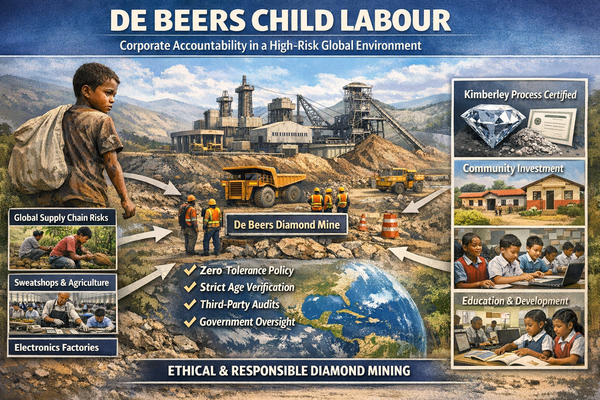
On World Diamond Day 2026, child labour in the diamond supply chain remains a critical global issue. De Beers Group addresses this through regulated operations in countries such as Botswana, Namibia, and South Africa, where formal labour standards are enforced.
The company applies strict internal policies, including its Best Practice Principles, and aligns with the Kimberley Process Certification Scheme to maintain supply chain compliance and prevent child labour involvement.
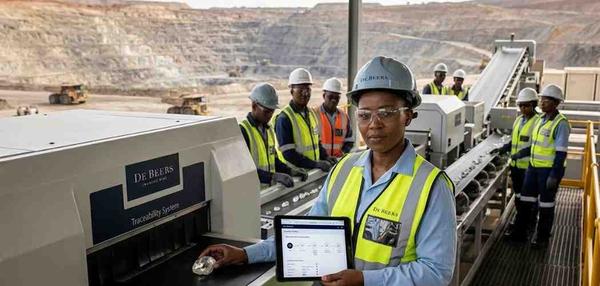
To improve transparency, De Beers uses Tracr, which tracks diamonds from origin to market. This is supported by independent audits and supplier monitoring systems.
In parallel, the company invests in education and community programs aimed at reducing the underlying causes of child labour in mining regions.
Overall, the approach focuses on compliance, traceability, and community-level interventions to address risks within the diamond supply chain.
The company applies strict internal policies, including its Best Practice Principles, and aligns with the Kimberley Process Certification Scheme to maintain supply chain compliance and prevent child labour involvement.
To improve transparency, De Beers uses Tracr, which tracks diamonds from origin to market. This is supported by independent audits and supplier monitoring systems.
In parallel, the company invests in education and community programs aimed at reducing the underlying causes of child labour in mining regions.
Overall, the approach focuses on compliance, traceability, and community-level interventions to address risks within the diamond supply chain.