On World Diamond Day 2026: What De Beers Is Doing to Eliminate Child Labour From the Diamond Pipeline
Introduction: A World Diamond Day Focus on Responsibility
On World Diamond Day 2026, attention across the global jewellery and mining industry has shifted toward one of its most critical challenges child labour in the diamond supply chain. As one of the most influential companies in the sector, De Beers Group continues to play a central role in shaping responsible sourcing practices. While the industry has made progress over the years, risks still exist in certain informal mining regions.
Understanding the Risk: Where Child Labour Persists
Child labour risks in diamonds are generally linked to:
- Informal or artisanal mining sectors
- Limited regulatory enforcement
- Economic pressures in vulnerable communities
De Beers primarily operates in regulated environments such as Botswana, Namibia, and South Africa, where oversight frameworks are stronger and formal employment standards are enforced.
De Beers’ Approach to Eliminating Child Labour
1. Compliance with International Certification Standards
De Beers adheres to the Kimberley Process Certification Scheme, a global system designed to prevent the trade of conflict diamonds. While its primary goal is conflict prevention, it also strengthens supply chain accountability.
In addition, the company enforces its internal Best Practice Principles (BPPs), which require:
- Strict prohibition of child labour
- Regular independent audits
- Mandatory compliance from all partners and contractors
2. Strengthening Traceability in the Supply Chain
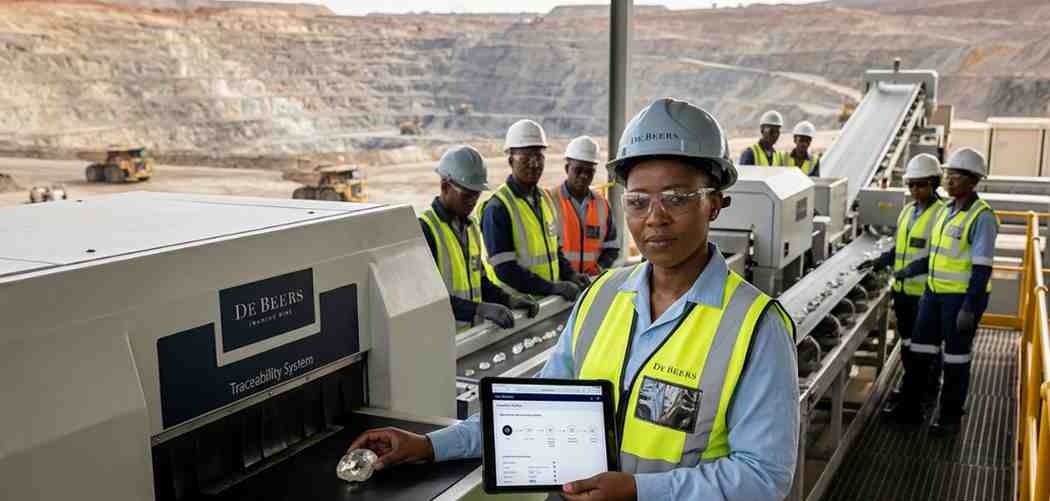
Through its blockchain-based platform Tracr, De Beers tracks diamonds across the supply chain. This system:
- Records each stage from mining to retail
- Enhances transparency
- Reduces the likelihood of unverified diamonds entering the market
3. Community Investment and Education Initiatives
Addressing the root causes of child labour remains a long-term priority. De Beers supports:
- Education programs in mining communities
- School infrastructure development
- Youth training and employment pathways
In countries like Botswana, such initiatives aim to reduce reliance on informal labour by improving access to education and economic opportunities.
4. Independent Audits and Supplier Accountability
To maintain compliance, De Beers conducts:
- Third-party audits
- Ongoing risk assessments
- Supplier verification processes
These measures help ensure that standards are upheld not only within its own operations but also across its broader supply network.
5. Alignment with International Labour Standards
De Beers’ policies are aligned with internationally recognized frameworks, including:
- United Nations Guiding Principles on Business and Human Rights
- International Labour Organization (ILO) standards
This alignment reinforces a structured and globally consistent approach to labour rights.
Recent Developments in 2025–2026
Recent updates indicate a continued focus on:
- Expanding traceability systems
- Increasing transparency in sourcing practices
- Strengthening partnerships with governments in Southern Africa
- Supporting formalization of artisanal mining where risks are higher
These developments reflect ongoing efforts to improve accountability and reduce vulnerabilities in the supply chain.
Industry Context: Ongoing Challenges
While De Beers operates in highly regulated environments, child labour risks still exist in parts of the global diamond industry, particularly in:
- Informal mining zones
- Secondary trading channels
This highlights the importance of continued monitoring, collaboration, and enforcement across the entire value chain.
Conclusion: A Structured and Measured Approach
On World Diamond Day 2026, De Beers Group demonstrates a structured and increasingly transparent approach to addressing child labour risks.
Through:
- Strong compliance frameworks
- Advanced traceability systems
- Community-focused initiatives
the company is contributing to a more accountable diamond supply chain. While challenges remain, current efforts indicate steady progress in reducing risk and strengthening ethical sourcing practices.
0 Comments Add a Comment?